Fiber vs Cable Internet: Which Is Better for You?
The main difference between these two is the technology used to bring data to your home.
Fiber-optic internet uses thin strands of glass to transmit data as pulses of light. It is incredibly fast and is not affected by electrical interference. In Bangladesh, this is often called "FTTH" (Fiber to the Home).
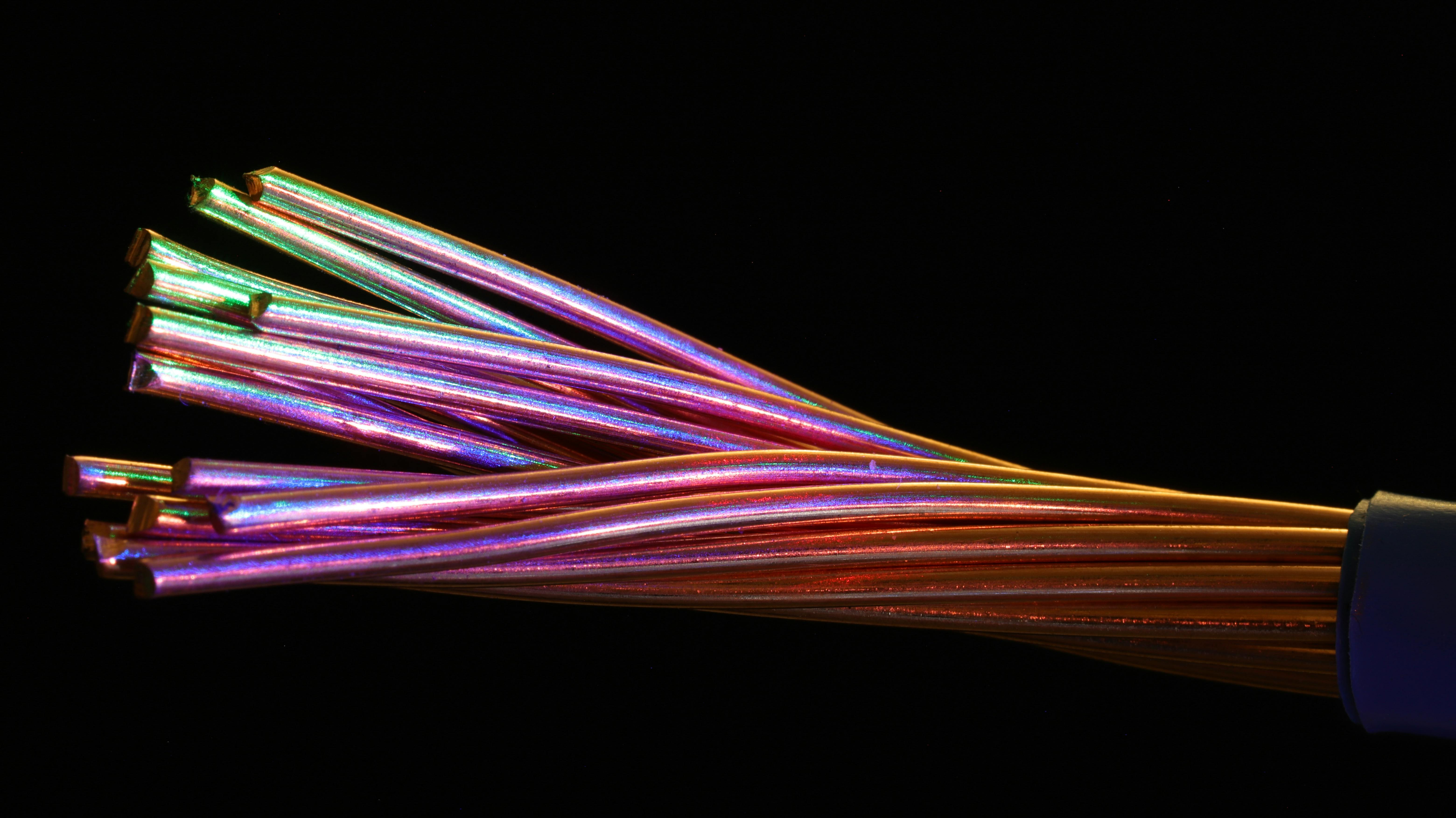
Cable internet uses traditional copper wires. While it was common a few years ago, it is generally slower than fibre. Copper cables are also more sensitive to the weather. If your internet stops working every time it rains, you are likely using an older cable-based system.
Why Fiber Wins:
Faster Speeds: You can download large files and movies in seconds.
Better Uploads: If you upload videos to YouTube or send large files for work, fiber is much faster.
Reliability: Fiber is more durable and handles the humid weather of Bangladesh much better than copper.
10 Simple Hacks to Improve Your Internet Speed
Broadband vs Wireless Internet: Stability or Portability?
When you look at broadband vs wireless internet, you are choosing between a fixed line and a mobile signal.
Fixed Broadband (Fiber/Cable)
Broadband is a physical wire that enters your house and connects to a router. It is the best choice for families and offices because it provides a consistent, "unlimited" connection. In Bangladesh, broadband is popular because of BDIX. This allows you to stream YouTube, Facebook, and local movies at lightning speeds, regardless of your international data limit.
Wireless Internet (4G, 5G, and Dongles)
Wireless internet relies on mobile towers. While it is great for checking emails on the go or using Google Maps while traveling in a rickshaw, it has limits. Signals can get weak inside tall buildings or in crowded areas like Old Dhaka. It is also usually more expensive if you use a lot of data.
The Verdict: Use broadband for your home or office, and keep wireless data as a backup for when you are outside.
Guide to Choosing the Best Fibre Internet in Bangladesh
Dedicated Internet vs Shared Internet: What Do You Need?
This is the most important choice for businesses and professional gamers. Understanding dedicated internet vs shared internet will save you a lot of headaches.
Shared Internet (Home Packages)
Most residential internet packages in Bangladesh are "shared". This means you share a large "pipe" of data with your neighbours. During peak hours—usually between 8:00 PM and 11:00 PM—you might notice your speed drops slightly because everyone in your area is online at the same time.
Dedicated Internet (Corporate Packages)
A dedicated connection is yours alone. It is like having a private road where no one else can drive.
No Slowdowns: Your speed stays exactly the same 24/7.
Symmetry: Your upload and download speeds are identical.
Support: If there is a problem, the ISP usually fixes it within an hour or two.
If you run a business, a call centre, or a software firm, a dedicated line is worth the extra cost. For a regular home user, a high-quality shared fibre line is usually enough.
Simple Summary for Bangladeshi Users
To make your decision easy, here is a quick checklist:
Check for Fiber: Always ask your local ISP if they provide "Real Fiber" or "FTTH." Avoid old copper cable connections if possible.
Look for BDIX: Ensure your provider has a strong BDIX connection so you can enjoy bufferless streaming on local servers.
Evaluate Your Work: If your income depends on being online every second, choose a Dedicated line. If you just want to watch movies and browse social media, a shared fibre line is perfect.
By choosing the right technology, you can enjoy a "Smart Bangladesh" experience with zero buffering and maximum productivity.